All Articles
Tool Steel

D2 & D3 Steel: Understanding High Carbon High Chromium Tool Steel

D2 and D3 steels are widely used for tooling and wear-resistant applications where hardness, strength and dimensional stability are important.

08 Aug 2026 7 Min Read
D2 and D3 tool steel material Tool Steel
STEEL INSIGHTS / 08 Aug 2026

D2 and D3 are built for applications where wear resistance matters.

D2 and D3 are high-carbon, high-chromium tool steels commonly selected for applications where resistance to wear and deformation is important. Their characteristics make them particularly useful for demanding tooling environments.

01

Understanding D2 And D3 Steel

D2 and D3 belong to the family of cold-work tool steels. Their high carbon and chromium content contributes to high hardness and strong resistance to abrasive wear after suitable heat treatment.

Although the two grades share important characteristics, the final selection should be based on the specific tooling requirement, manufacturing process and desired balance between wear resistance and toughness.

  • High hardness after heat treatment
  • Excellent resistance to abrasive wear
  • Good dimensional stability
  • Suitable for cold-work tooling
02

Where Are D2 And D3 Used?

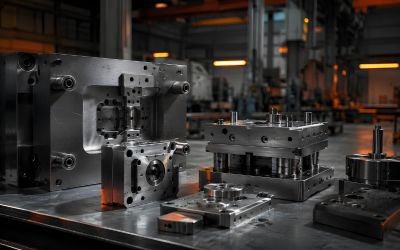
D2 and D3 are frequently considered for tools exposed to repeated cutting, forming and abrasion. They can be used where maintaining cutting edges and dimensional accuracy over extended production runs is important.

Typical applications include punches, dies, shear blades, forming tools and other components exposed to high wear.

  • Blanking and punching dies
  • Shear blades
  • Forming tools
  • Industrial cutting applications
03

Selection Considerations

Selecting between tool steel grades should involve more than comparing hardness values. Tool geometry, production conditions, shock loading, surface requirements and heat-treatment capability can all influence the result.

Where an application involves significant impact, toughness may become particularly important. Where abrasive wear dominates, a higher wear-resistant grade may be preferable.

  • Operating load and impact
  • Required wear resistance
  • Heat-treatment process
  • Expected service life
Need Material Guidance?

Let's discuss your requirement.

Talk to our team about grades, sizes, availability and application requirements.

Make An Enquiry